
The Vanishing Cultures Project
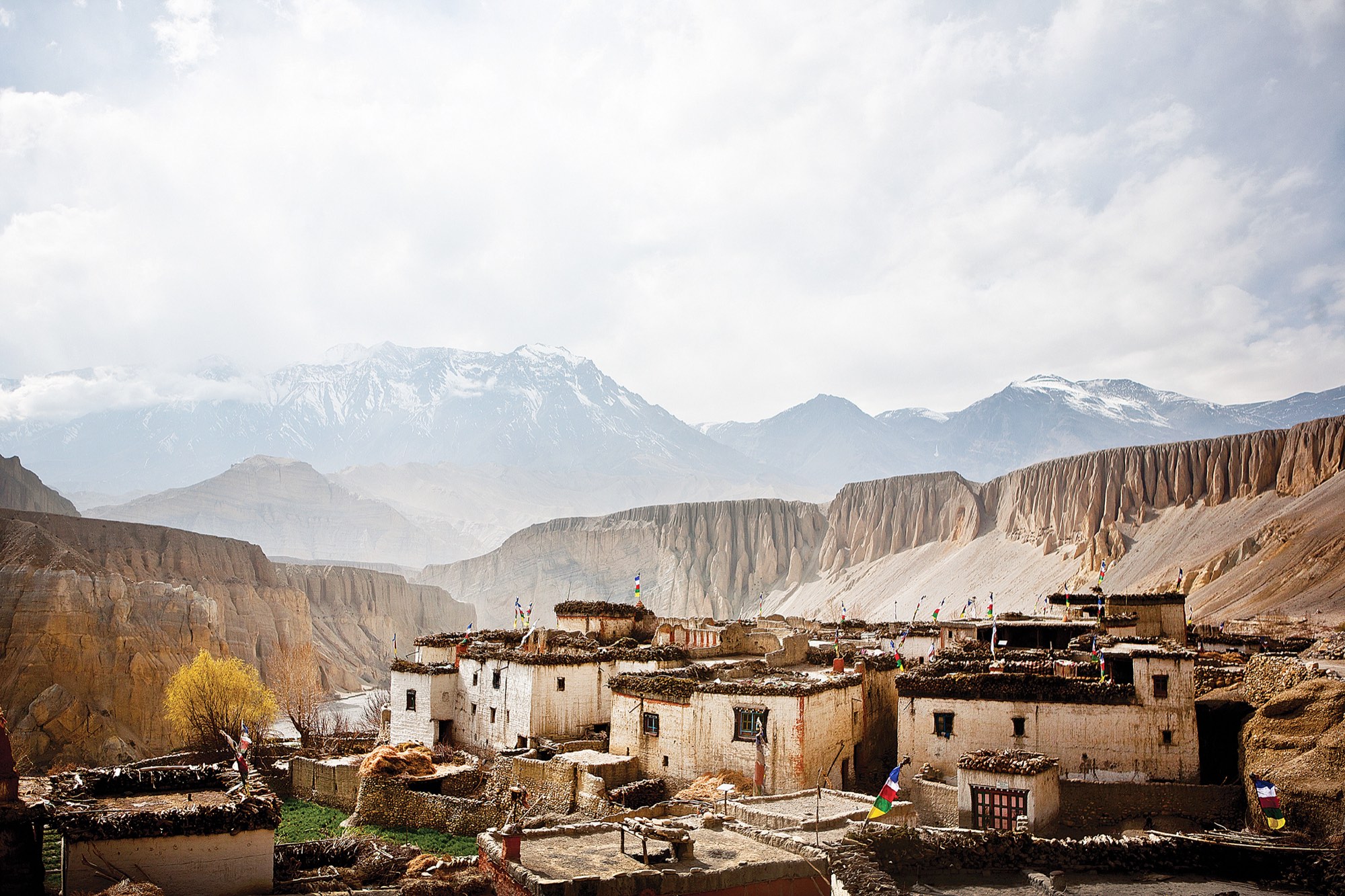
A village of flat-roofed whitewashed houses in Upper Mustang, Nepal, with snow-covered Himalayan peaks behind

2010 – 2014 · Nepal · Mongolia · Brazil

The Vanishing Cultures Project

From 2010 to 2014, VCP partnered with indigenous communities to safeguard global cultural diversity at a time of rapid change. Today, the project exists as a permanent digital archive—ensuring that the heritage we documented remains accessible to the world.

The Need

Linguists estimate that every two weeks, a unique language disappears with its last surviving speaker.

To counter this loss of human heritage, VCP captured the profound resilience and beauty of cultures navigating a rapidly changing world.

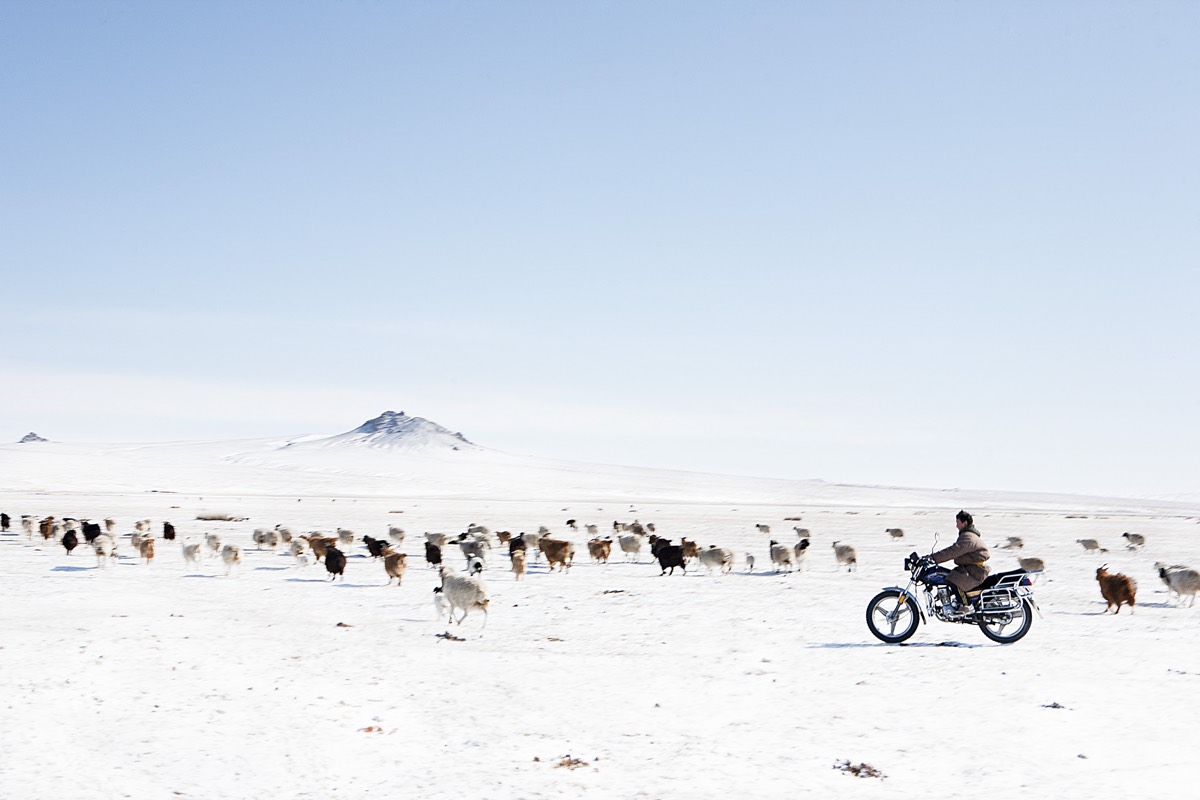
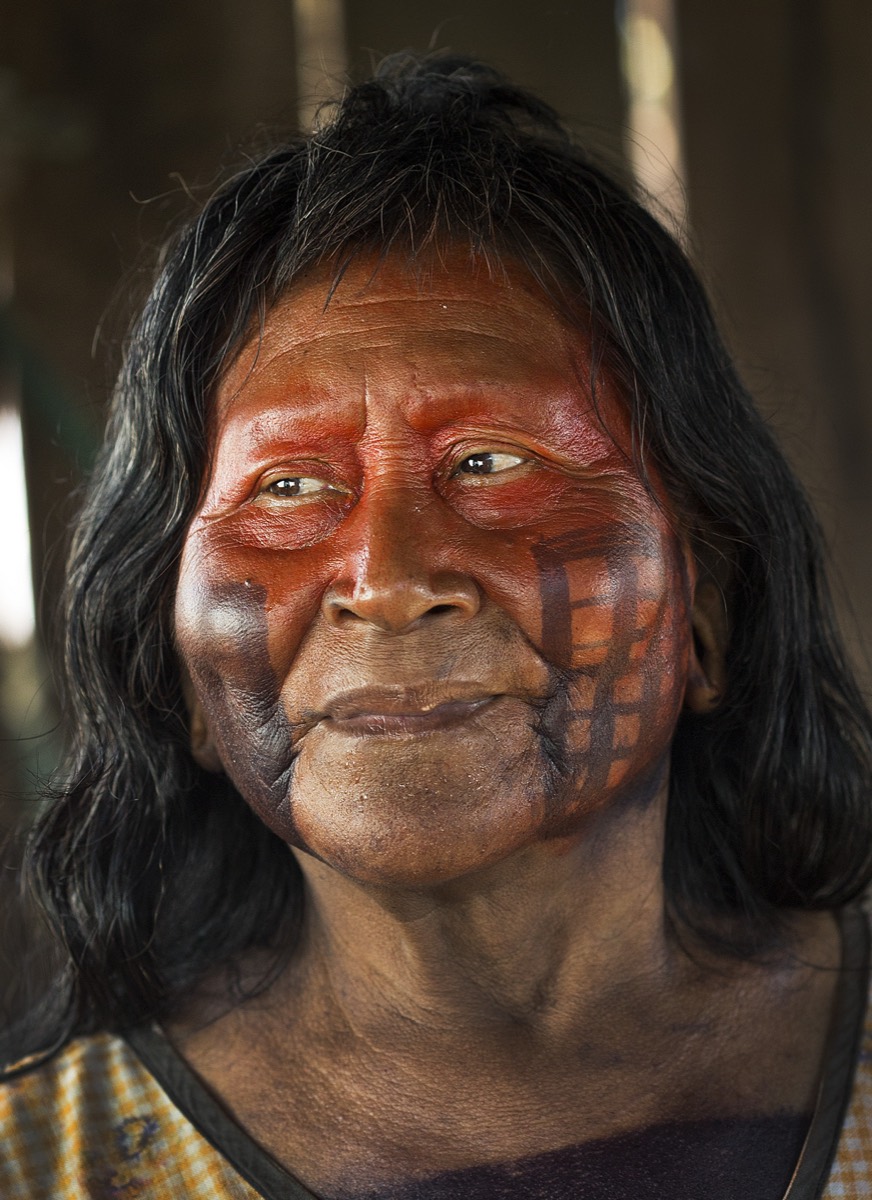
A herder on a motorcycle drives sheep and goats across the snow-covered Mongolian steppe Portrait of a Xikrin elder with red and black face paint A masked dancer performs before a monastery during a festival in Upper Mustang

Our Mission

The Vanishing Cultures Project partnered with indigenous groups to safeguard cultural values and practices, collaborating to document lifestyles and traditions, compile a digital archive, educate the public about global diversity, and fund indigenous cultural initiatives.

Our Legacy

Our work resulted in three major ethnographic books, dozens of articles in global publications, and a vast visual repository of human heritage.

The Archive

While field operations concluded in 2014, VCP remains a resource for researchers and students. This mission now evolves through the training of the next generation of ethical storytellers.

Our Projects

Three communities, three books.

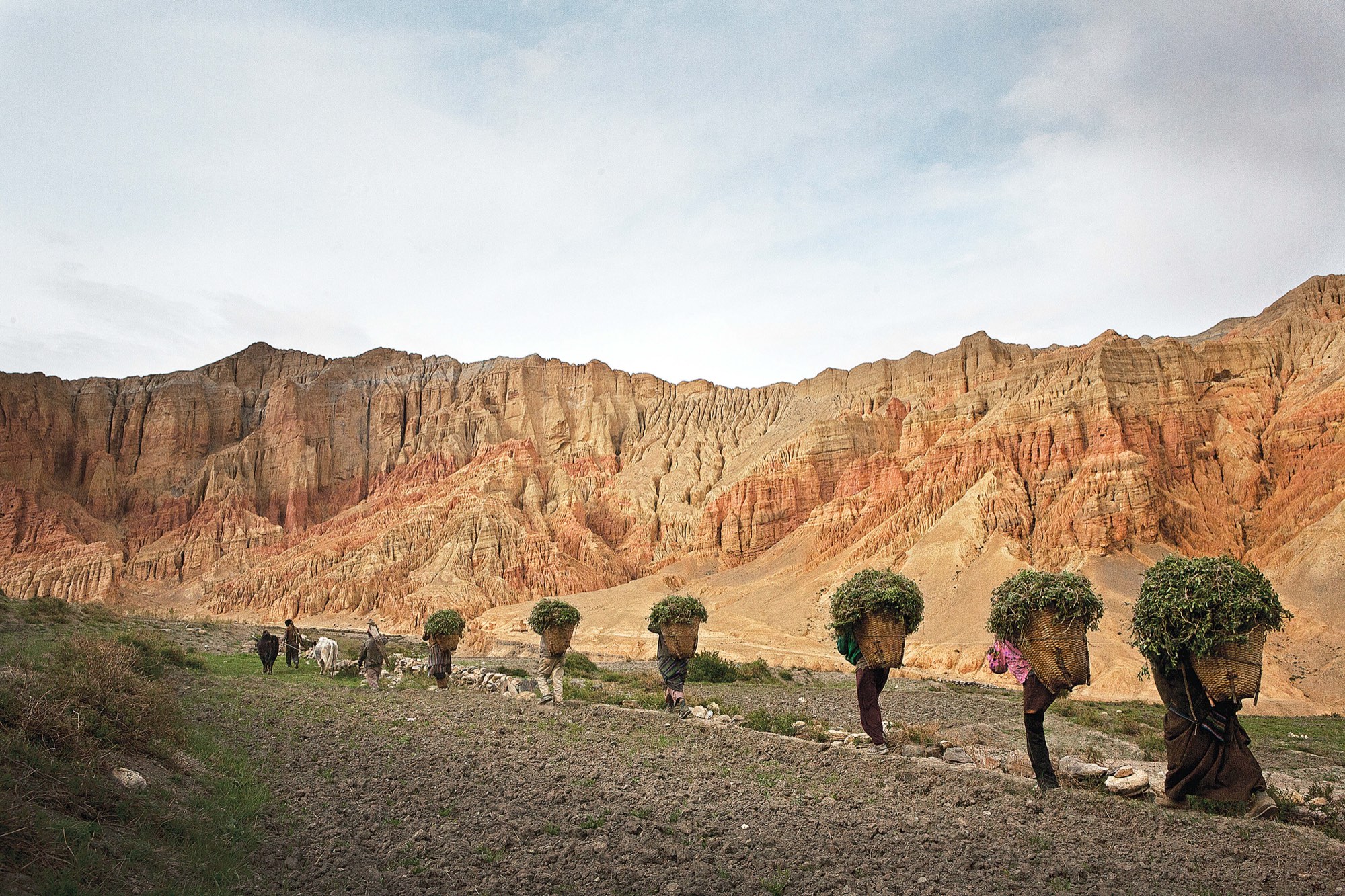
A line of villagers carry loads of green fodder on their backs beneath red cliffs in Upper Mustang

The Loba

Upper Mustang, Nepal

High in the Himalayas, the Loba people are navigating the end of centuries of isolation as new roads connect their ancient kingdom to the modern world. VCP documented this transition through the book Mustang: Lives and Landscapes of the Lost Tibetan Kingdom, featuring a foreword by H.H. the Dalai Lama and reporting for The Atlantic. Beyond the lens, the project directly supported the community by using book proceeds to fund a local school dedicated to preserving traditional Amchi medical knowledge.

See the book
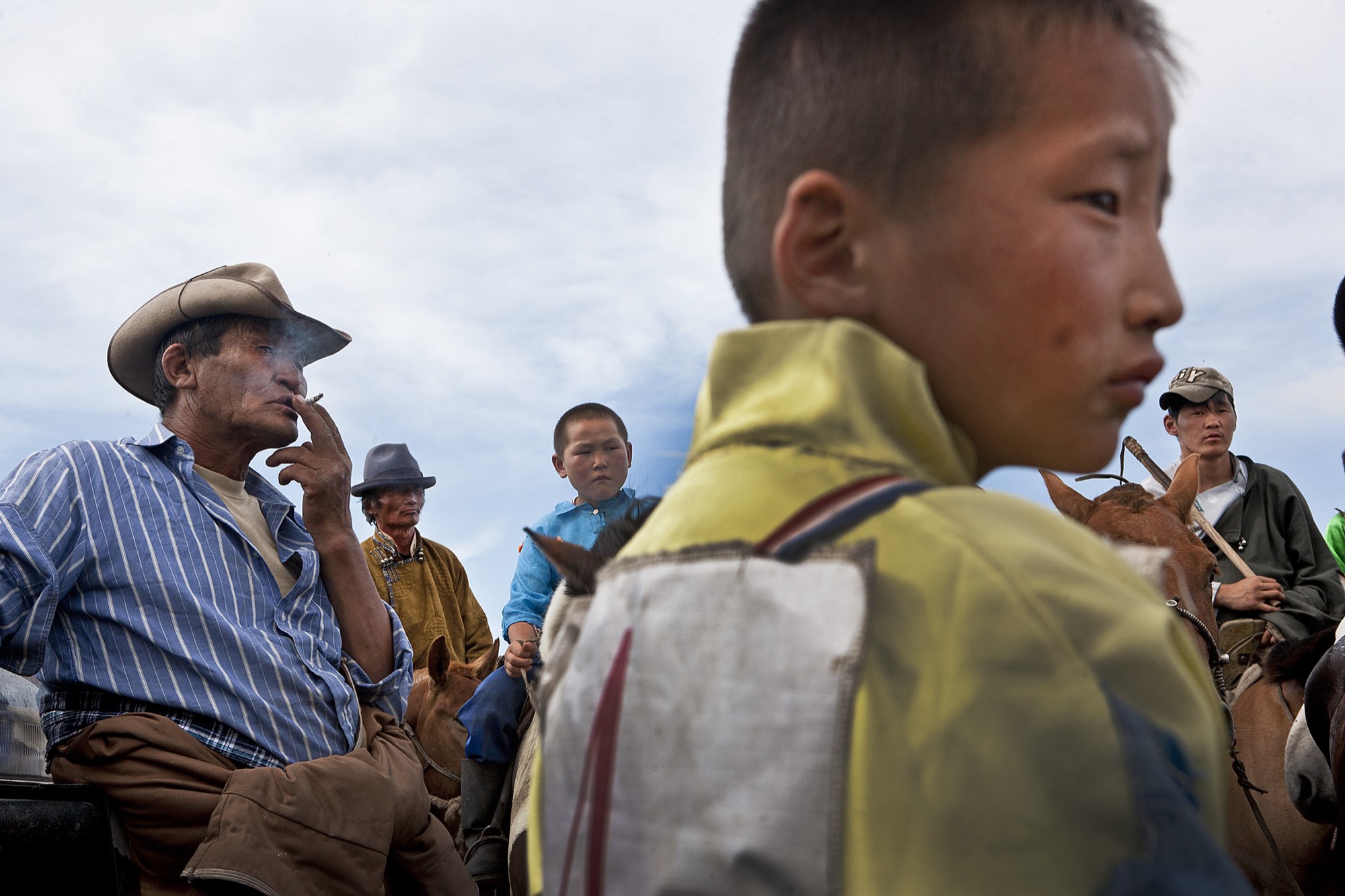
A young Mongolian boy in the foreground with herders gathered behind him

Steppe Nomads

Mongolia

Mongolia’s nomads maintain one of the world’s last mobile societies, a lifestyle currently threatened by rapid urbanization and severe climate shifts. In partnership with the Arts Council of Mongolia, VCP documented these seasonal rhythms for the book Mongolia’s Nomads: Life on the Steppe. This work serves as a permanent archive of nomadic traditions as families increasingly migrate toward settled life in the capital.

See the book
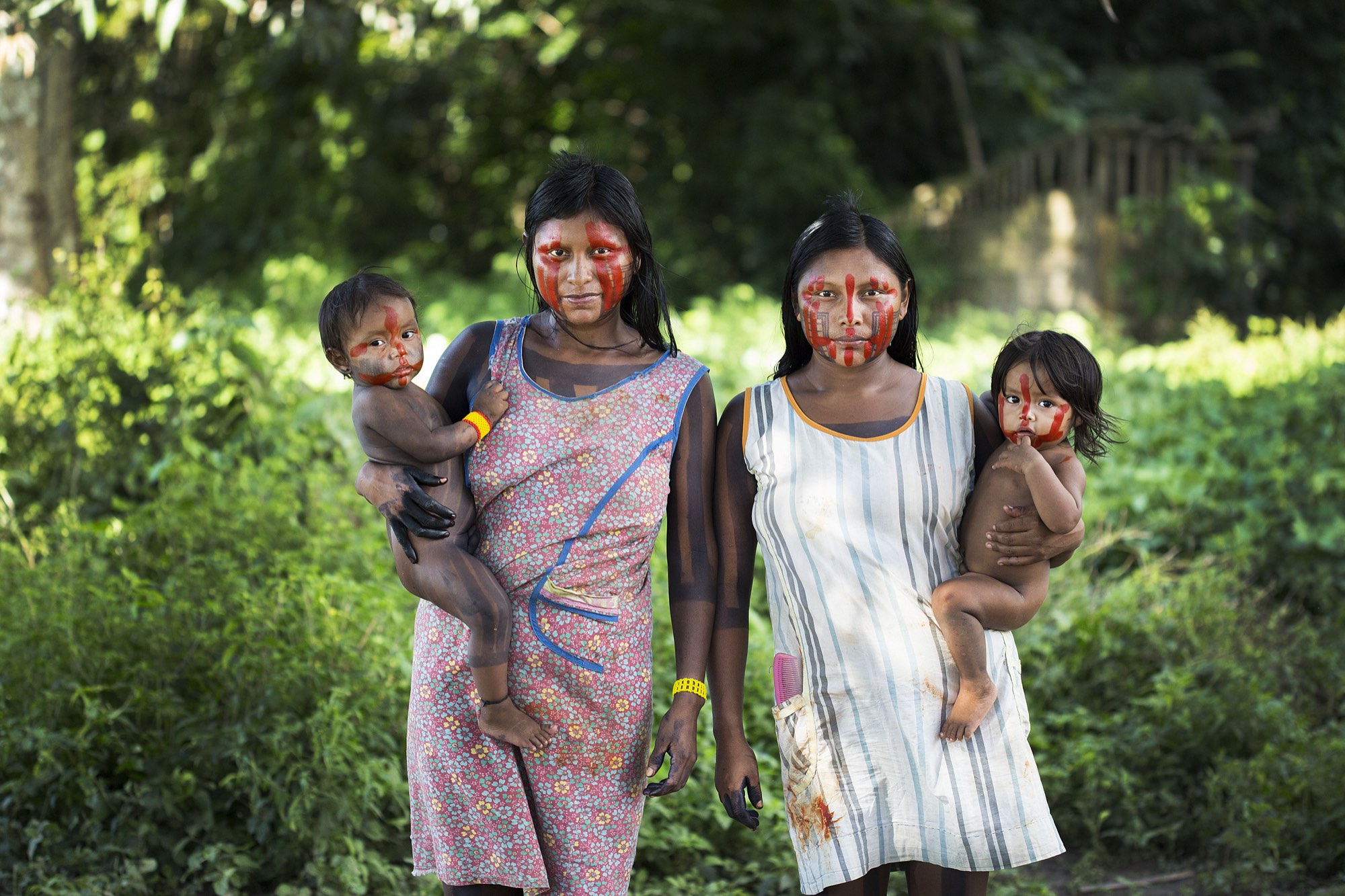
Two Xikrin women with painted faces walk through the forest carrying young children

The Xikrin

Brazilian Amazon

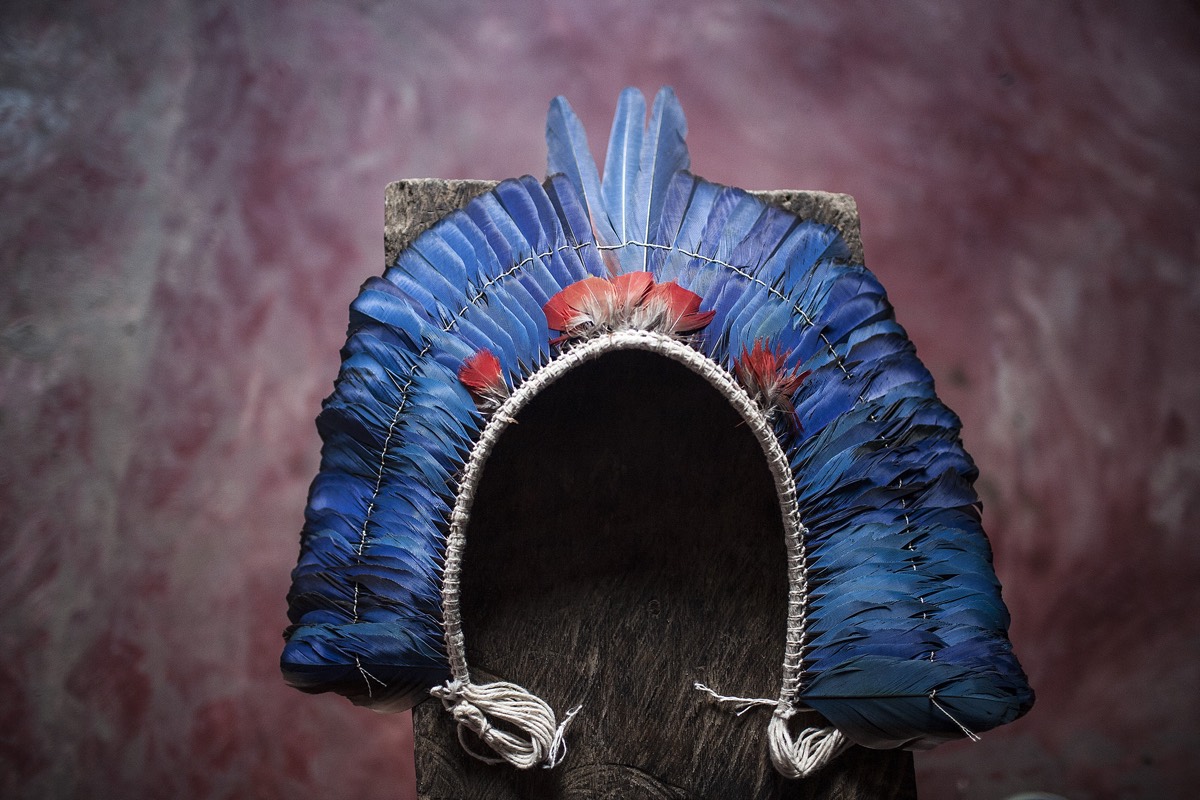
The Kayapó-Xikrin are indigenous guardians of the Amazon navigating deforestation and social disruption caused by the Belo Monte Dam. VCP collaborated with the tribe to archive their ceremonies and daily life on their own terms, amplifying their story through international media reporting and the publication of The Xikrin: People of the Big Water. These archives support their ongoing legacy of protecting their ancestral territory and ecological heritage for future generations.

See the book

The Archive

Archival Selects

Photographs from Upper Mustang, the Mongolian steppe and the Brazilian Amazon.

Enter the Archive